The Poppy War Review: Fresh, unexpected, and ever-changing

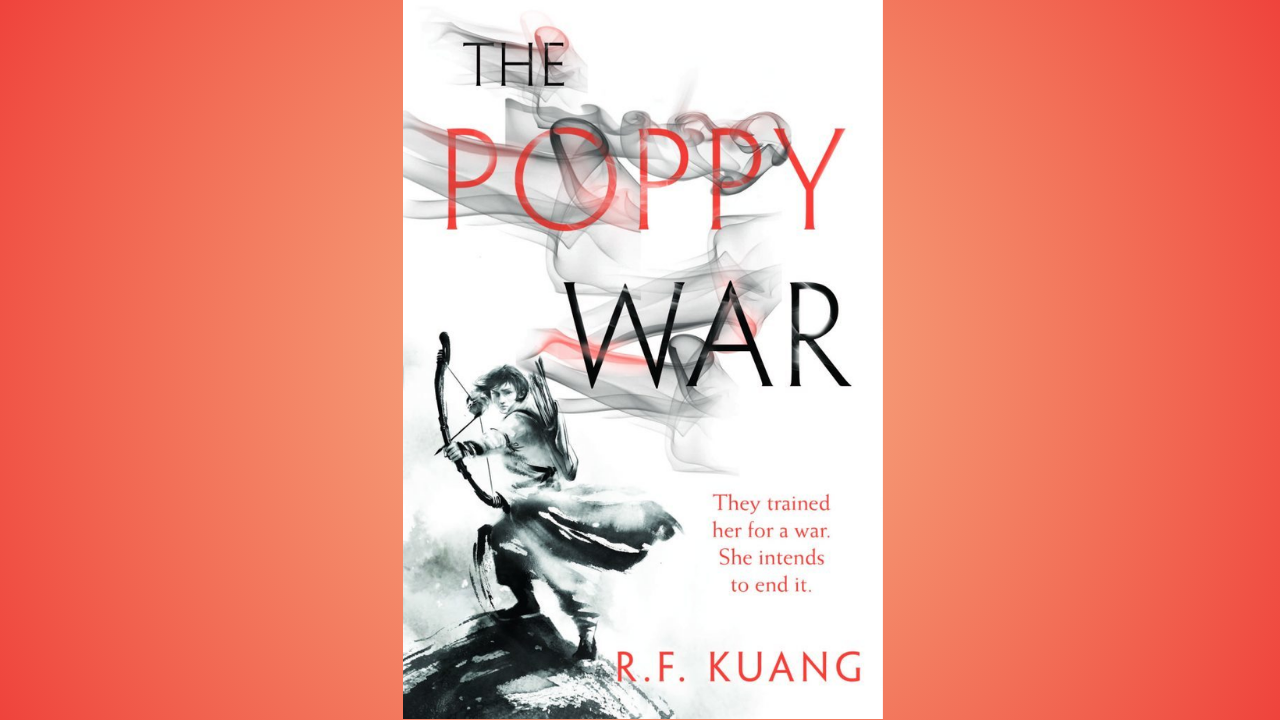
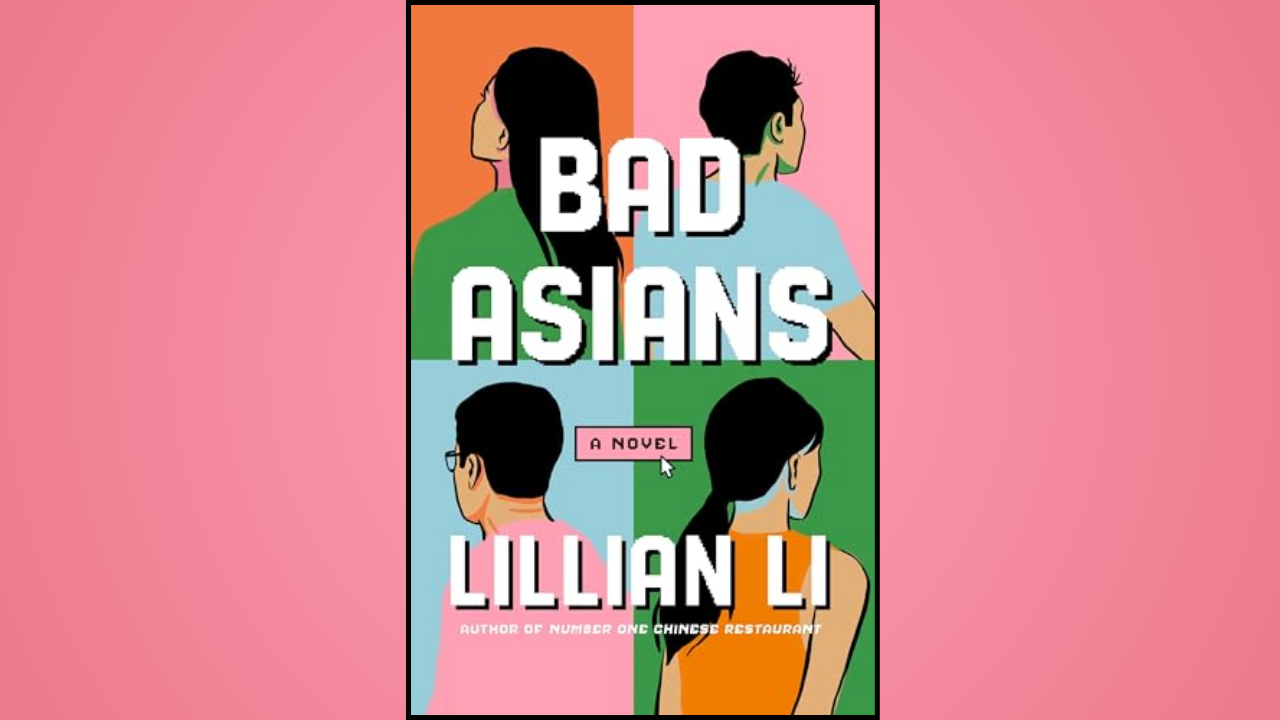
After reading Yellowface, which became one of my new favorite books, I just had to check out her other work. Naturally, I started with her first, The Poppy War. Her bibliography is the epitome of what I want to have once I'm a published author: a catalog of vastly changing styles and genres, yet fans keep coming back. She's an inspiration to me, but that doesn't change the essential question: is The Poppy War on the same level as Yellowface for me? That's what I'll be discussing in today's Brighton's Bookshelf review. Thanks so much for joining me today, and I hope you enjoy your time on the site!
I have very little bad to say about this book. I actually loved the stark tonal shift in the second half, and I never expected the novel to go in the direction it did. But I mean that in a strictly positive sense! A lot of my favorite stories twist into a whole new genre due to certain events, and this book's shift showed the whiplash that comes with war and how you can't prepare for it in a brutal yet honest way. I also feel the book starts with a lot of darkness from the jump, and the fact that people say it basically starts as Harry Potter when the first chapter graphically details her burning herself with wax just to stay awake is baffling.
I only have two other tiny gripes. First, the book aligns with the orphan-turned-chosen-one trope for a little too long before branching out. While the introduction of the Sike and other shamans flips this on its head a decent bit, there's quite a bit of time during the end of the school arc that left me worrying that the rest of the book would just be her demolishing stuff with no repercussions from her immolating capabilities. I kind of liked it when she felt more like a nobody at the beginning of the book, and I'm still not completely in love with the whole Speerly reveal.
Second, Nezha was a little underbaked of a character in this novel, and the flip between foe and friend was less interesting and convincing than it could've and should've been. Rin gets bullied by him throughout the first half, but for how stubborn she usually is, she forgives him quickly because of the dark situation. The concept is perfect, but the execution was more lackluster than I'd have hoped. A little more explanation could've gone a long way, since his character becomes far more important later on in the series, and while I like him a lot in the next books, he could've been set up better here.
Outside of those minuscule modicums of negativity, this novel was a complete triumph, and secured Kuang as a favorite author of mine. After all, she did just as well writing a contemporary fiction satire-comedy anti-coming-of-age story as she did with a grimdark history-inspired epic fantasy doorstopper monolith!
First, Rin is a fascinating character to follow, as she goes from her family's bargaining chip to a powerful yet perplexed individual who lashes out and tries to burn down the world. Her story is captivating from the onset, and seeing her journey throughout the novel was a real treat. Her choices are always fascinating and sacrificially contrarian, but her mentality is self-destructive and spirals enough that you can buy into it all.
While I do think the second half is less interesting, it does a great job highlighting the horrors of war and how much it costs through a morally gray lens. The climax was as unexpected as the middle-book shift, but it ended incredibly.
With an ending like this, I was worried about how the series would progress. But the little loose end with the Empress makes a continuation feel necessary, without making it feel like the story wasn't supremely standalone. It struck a perfect balance. From horrifyingly dark action to R.F. Kuang's wickedly interesting use of opium as a magic system, the second half felt distinct, fresh, and nihilistic in a triumphant way.
While the second half carries the weight, gravitas, and thematic exploration, the first half has magnificent worldbuilding and an incredible school sequence at Sinegard. The first half of this book is beyond special. Rin's story of studying with Master Ziya was heartwarming, tense, and intriguing. I was always on the edge of my seat, wondering what random lesson would come next and whether pleading Lore would become her forte as a general, or solely her downfall into insanity. The school itself was one of my favorite settings in recent memory, even though the "magic school" market is perhaps oversaturated. However, with where this book ends up going, nothing about this academy felt generic. Almost nothing about this book felt generic.
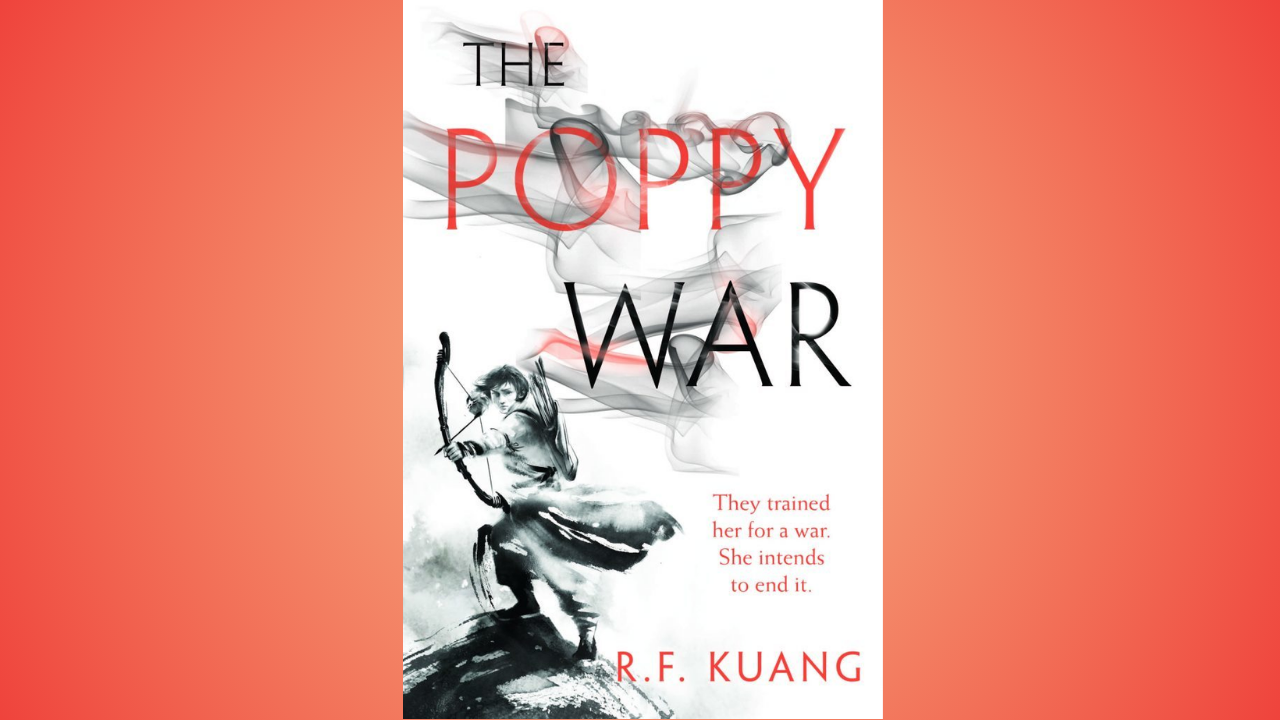
The Brighton's Bookshelf Verdict
Brighton's Bookshelf Score - 9.5/10
Letter Score - S+
The Poppy War is a tale of two halves, but in an exultant way. Chronicling her journey from youth to her studies at Sinegard to becoming the Army's loose cannon, this epic fantasy novel has unique worldbuilding, a tone perfectly balanced between cheery and grimdark, and an unexpected plot that kept me eager to see what came next in the series.
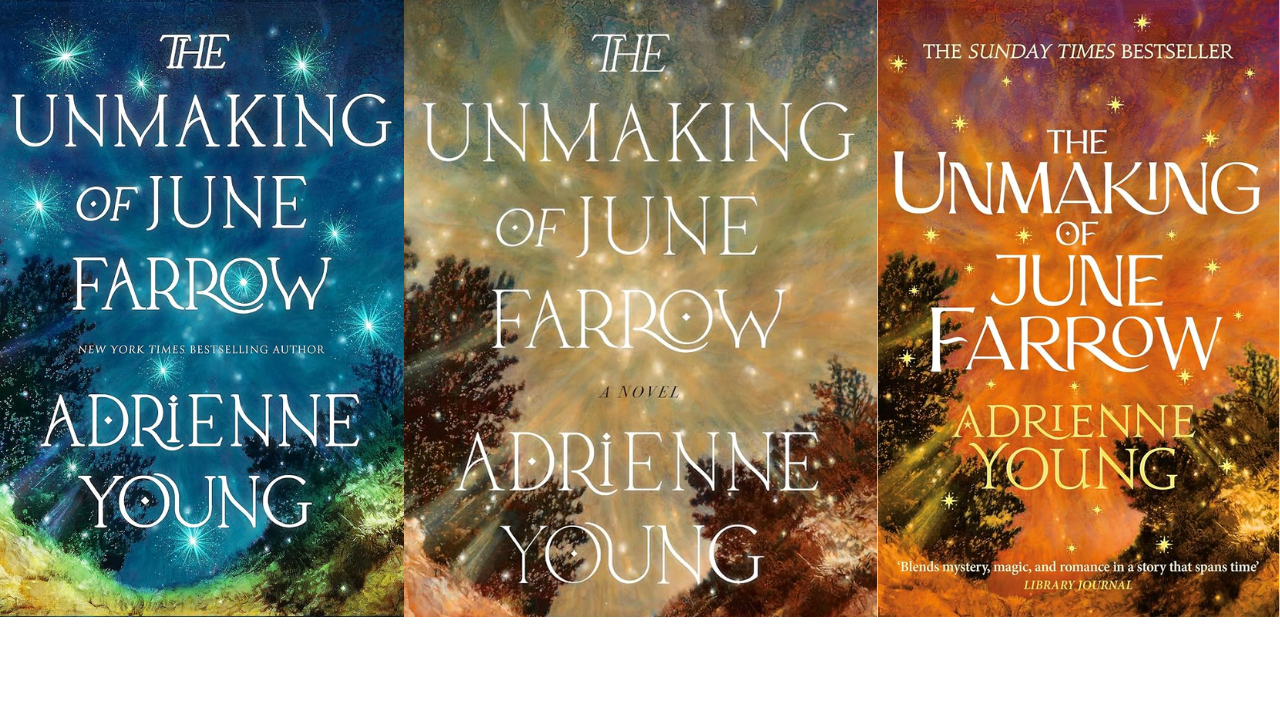
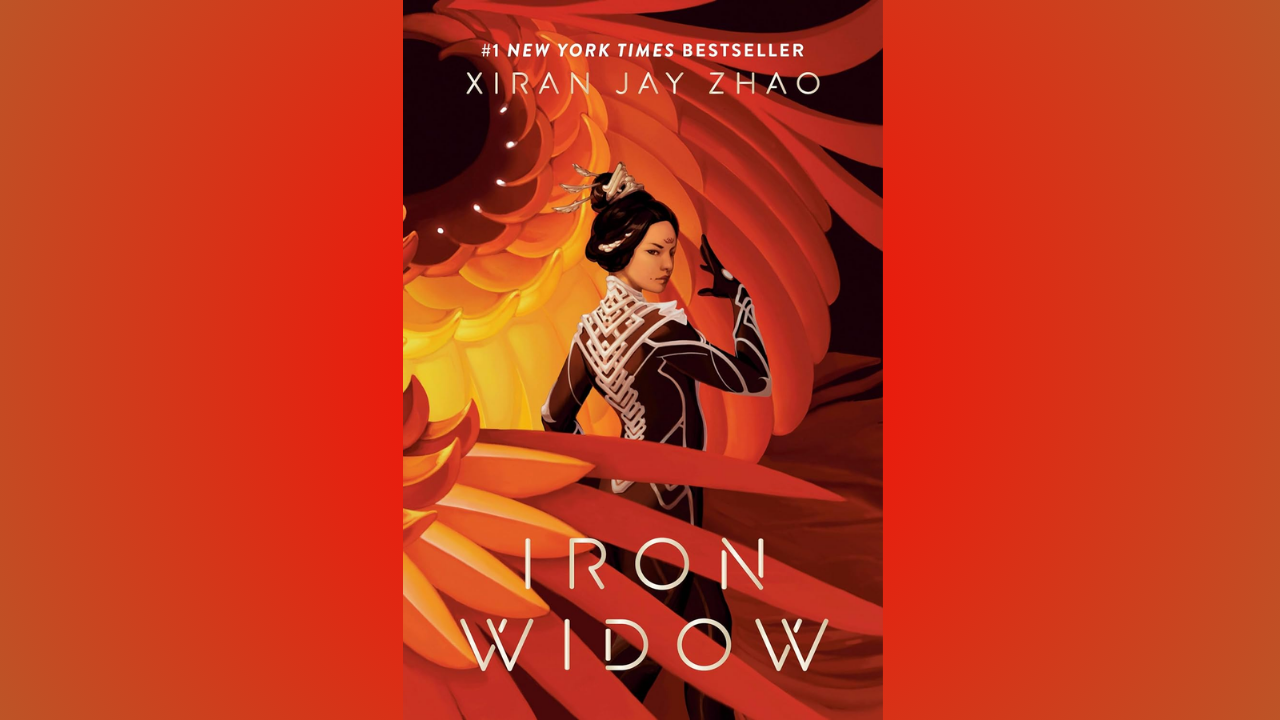
Interested in checking out some of my other fantasy, sci-fi, and R.F. Kuang novel reviews? Check them out below!
 Author Bio
 Author Bio
 Author Bio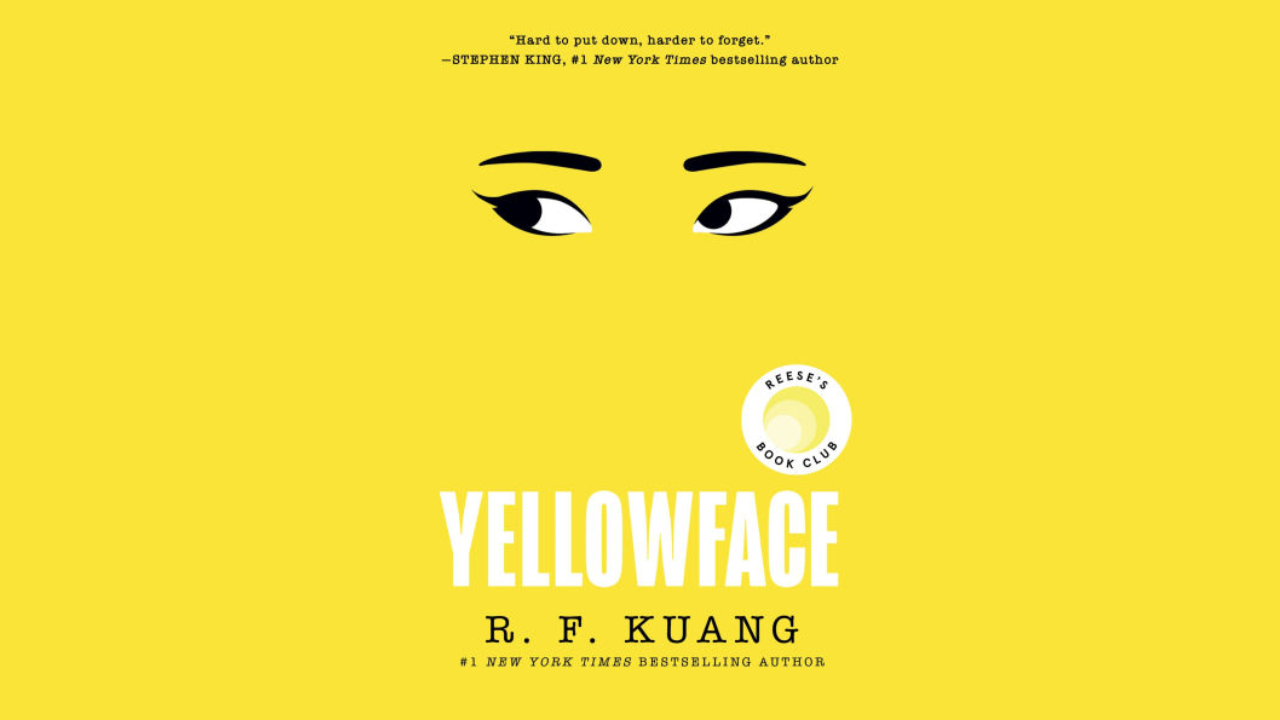
Enjoy this review? Stay tuned for more articles from Brighton's Bookshelf! Enjoy video games, films, or music? Check out our sister sites, RPG Ranked & The Reel Ranker & Mr. Maestro, respectively!