The Great God Pan Review: Foundational yet floundering

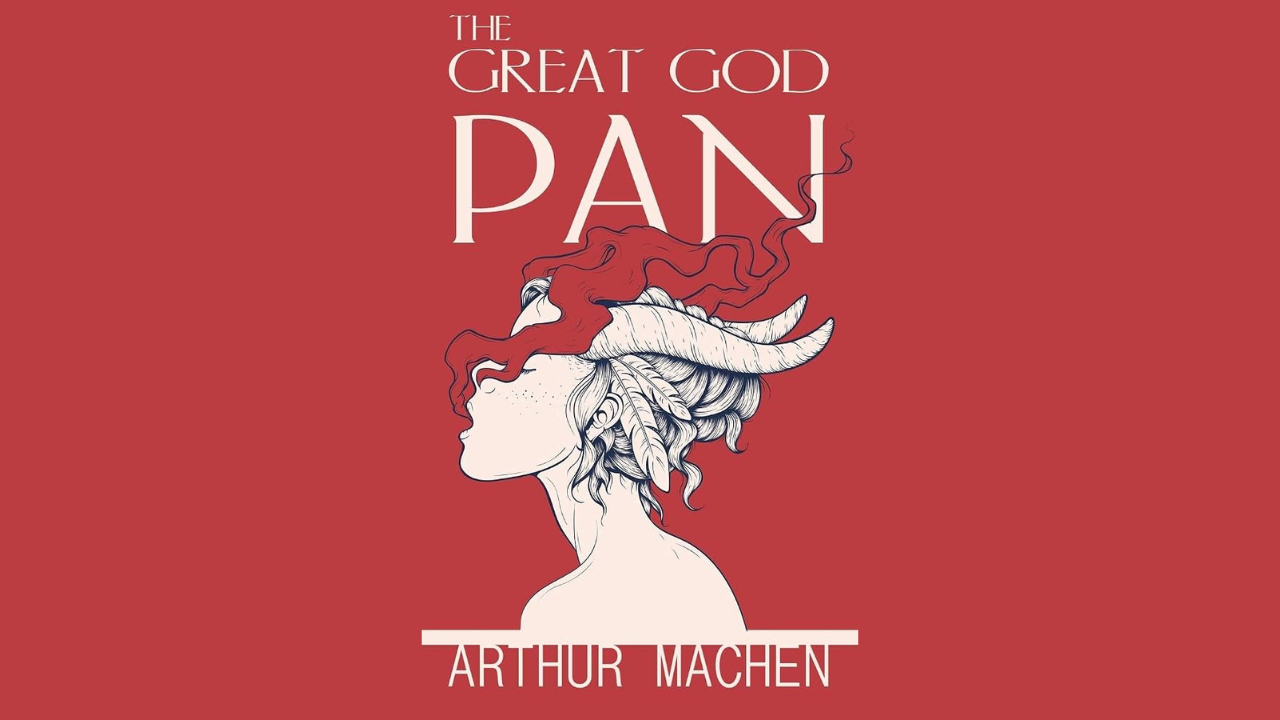
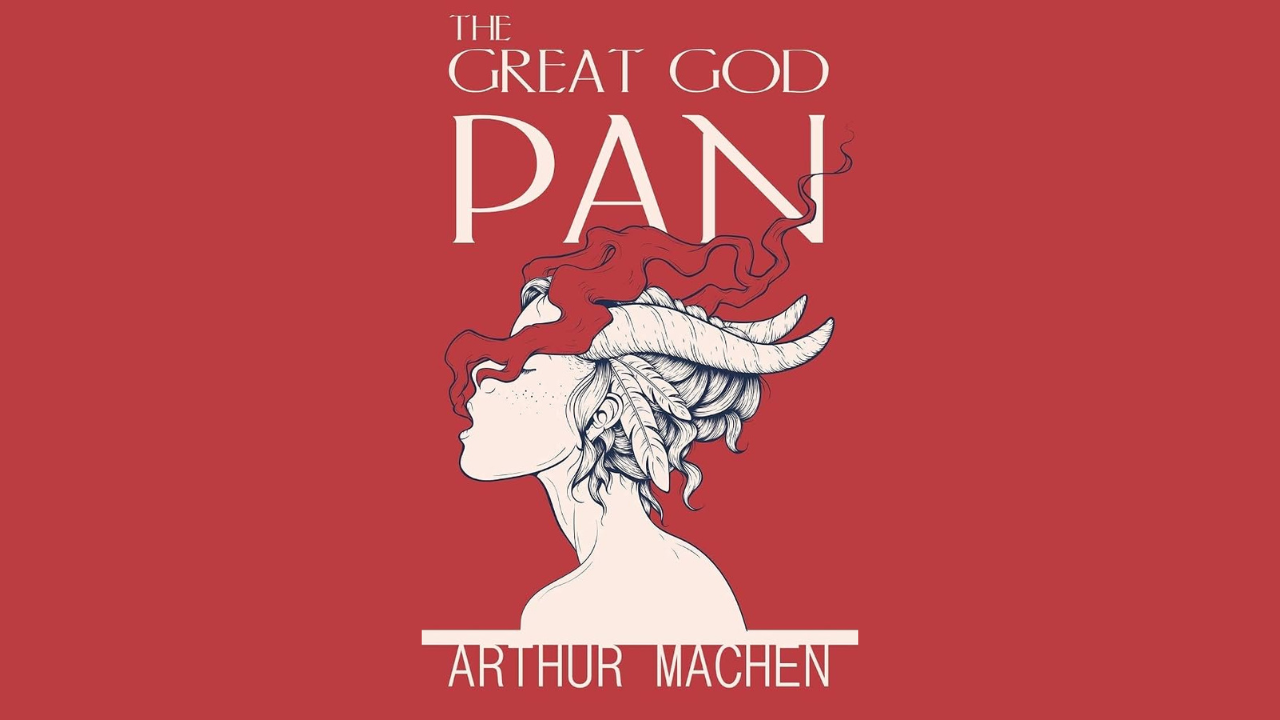
1894's The Great God Pan, written by Arthur Machen, has a reputation as a horror masterpiece. After all, H.P. Lovecraft said it was a major inspiration of his. Stephen King says it is one of the most foundational works of horror ever written. Most critics love it, and it has inspired many people to write their own cosmic horror stories. But, did I love it to the same degree as these authors? That's what I, Brighton Nelson, will discuss in this review.
Summary
The Great God Pan starts with Dr. Raymond performing a strange brain surgery on his young ward, Mary, to awaken Pan and open her mind to the spiritual realm. The procedure completely destroys her mind, leaving her in a vegetative state, but she gives birth to a daughter named Helen Vaughan. Helen grows up into a bizarre, unsettling child who spends her time in the Welsh countryside interacting with shadowy entities in the woods. Years later, under an alias, she enters London high society as a stunningly beautiful woman. Soon after her arrival, she begins driving many wealthy men to commit suicide after they spend time alone with her in secret rooms. This terrifying string of deaths is eventually discovered by Clarke and Villiers, who trace the clues, old letters, and town gossip back to Helen's past. Realizing she is a supernatural threat bringing ancient, chaotic corruption into the modern world, they discover her true identity and confront her in her lodgings, forcing her to hang herself to avoid a public scandal. Upon her death, her body grotesquely transforms into a beast, rapidly shifting through various biological forms, devolving from human to animal, and changing sexes before finally disintegrating into a pile of ash. The novel concludes with the characters reflecting on this experience, reading Dr. Raymond's old notes, and realizing that the veil of their polite reality was shattered by a monstrous truth.
Positives
The Great God Pan is truly a foundational blueprint for cosmic horror, weird fiction, and atmospheric dread. It also features interesting main characters—Villiers and Clarke—who are challenged with uncovering a supernatural truth. As for Helen, she's trying to survive the cosmic entity. The novel explores the fragility of reality and how it could potentially be broken at any time, and how learning knowledge intentionally kept from you is often what can drive you to madness. Danger always lurks beneath the surface, and there are critical explanations of the nature of evil. It mirrors the real world and how far the ethical boundaries of science should go.
The book features excellent prose that hooks the reader into the story from the beginning, even though it takes a second for the book to get started. The novel feels akin to philosophically in-tune, masterful modern prose-lovers like Amor Towles. The prose creates an eerie atmosphere, but leaves as much as possible to their imagination. The ultimate reveals with Helen make for a captivating villain that is somewhat of an atypical subversion of 1890s society.
Positives
However, while I didn't hate the book, a significant portion of negatives holds it back from being a novel that I'd hail as a masterpiece. Firstly, the narrative structure and coincidental nature of the novel are frustrating. The book trapezes along, jumping across protagonists and using completely unbelievable coincidences instead of letting the characters actively investigate.
The worldbuilding and horror didn't work for me either, as much as I loved the atmosphere and premise. Especially since I have aphantasia, the descriptions of the horror itself were so underwhelming. While imagination must play a part, if I don't feel horrified by the words on the page, the story and themes fall flat. By the end, I felt Helen was too nebulous to be intriguing.
The characters, while well-written, are interchangeable, with no distinct speech patterns or attributes. The book slow-burns its way through, yet the fire never burns bright enough to elevate the book. Helen lacks depth, and never becomes present, eventually leaving her to feel like it's othering women and treating them as beasts. Since she is a victim and has minimal depth, she feels like a weak caricature.
The Brighton's Bookshelf Verdict
Brighton's Bookshelf Score - 5.5/10
Letter Score - C+
With great prose and a powerful foundation for cosmic horror, the impact of The Great God Pan is tangible. Its themes and atmosphere are still impactful, yet with weaker plotting, horror, and characters than I was hoping for, I was left disappointed. For me, this is an example of a book that I respect for its impact, but can't recommend for the fact it feels like a relic of a bygone era. And, in this case, that's not a compliment.
Interested in checking out some of my other SFF novel reviews? Check them out below!
 Author Bio
 Author Bio
Enjoy this review? Stay tuned for more articles from Brighton's Bookshelf! Enjoy video games, films, or music? Check out our sister sites, RPG Ranked & The Reel Ranker & Mr. Maestro, respectively!