Rules of Civility Review: A masterpiece or stepping stone?

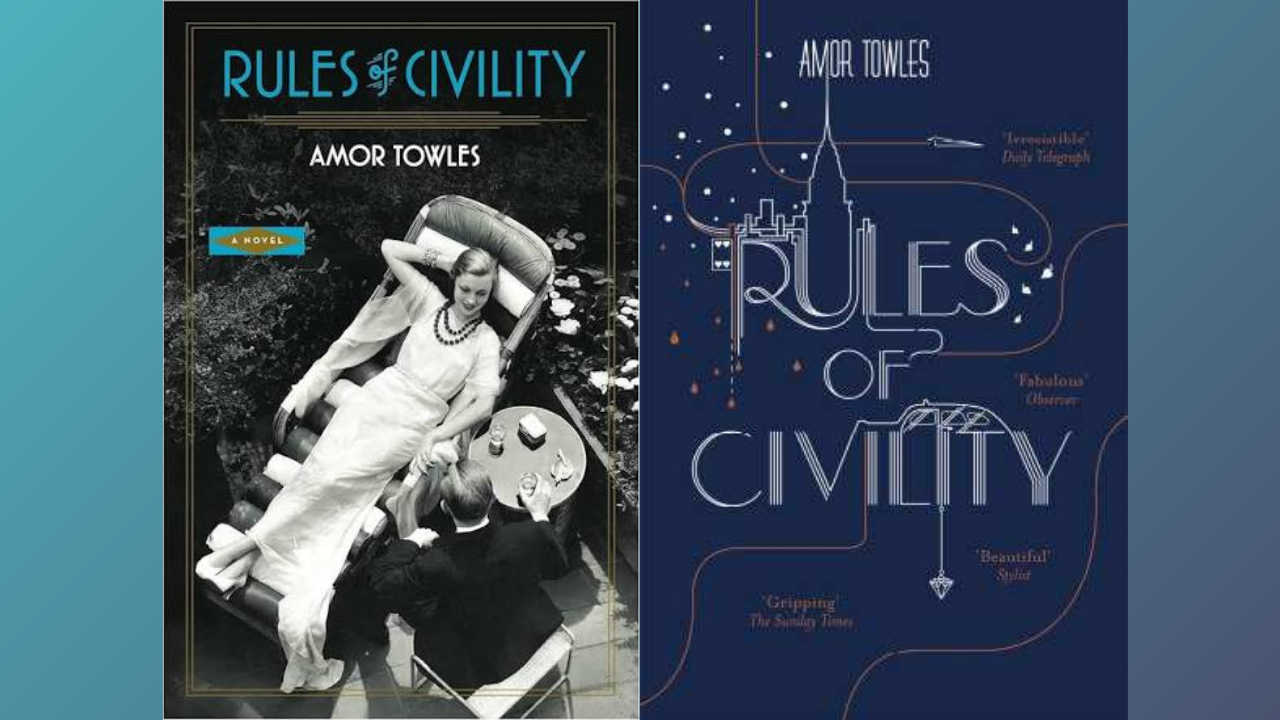
As a major fan of A Gentleman in Moscow and a respecter of The Lincoln Highway, which I found to be a mixed bag, I was really excited to check out where it all started with Rules of Civility. This time around, it's not a week in 50s rural-ish America, nor a lifetime in house arrest in Russia. No, it's just a year in 30s New York City. So, did the book hold up to the masterpiece of Amor Towles's second book, or did it disappoint me like the third? That's what I, Brighton Nelson, will be discussing in today's review. Thanks so much for joining me here on the site; it means the world to me, and I hope you enjoy!
First, let's get into the negatives. The novel doesn't develop most of its supporting cast nearly as much as they deserve—characters like Eve, Tinker, and Wallace all could have used more room to breathe. While Katey is a fantastic protagonist, Towles clearly gets much better at character writing in his later work. I know character arcs often play second fiddle to prose and theme in literary fiction, but that doesn't mean the book couldn't have benefited from deeper characterization.
My second slight critique is the fact that, amidst all the darkness in all three of his novels, he continues to romanticize the eras a decent bit. With Katey, while there was a lot of conflict, it felt like she was sometimes a little too optimistic and feigned believability compared to how she acted in other chapters. With Count Rostov, he found the perfect balance, writing him as a whimsical character who was really just that optimistic. I think Towles's most valuable perspective into the reality of history was Sally in The Lincoln Highway, and I hope he can lean into a little bit more of the overall darkness of the eras in his next novel. I love the whimsy, don't get me wrong, and I don't want them to be Schindler's List or anything, but this book just felt a tad romanticized at points.
My only other critique is that the novel pulls its punches when it comes to the elite society vibe. Katey could have used a few more eye-opening realizations about why status isn't everything. Honestly, this might have been solved if the book were written in the third person—a perspective I typically consider Towles's strong suit. That’s no knock on him (I’ll be the first to admit I’m usually better at first-person in my own writing!), but a third-person view simply tends to support this kind of atmospheric, prose-driven story much better.
That said, a lot of the pushback against this book that I've seen doesn't make much sense to me. In terms of addressing some of the more common complaints, I do not think that this book is at all a copy of The Great Gatsby. I do not think that Towles did a poor job depicting Katey within the era, as I've read works by women at that time, and it's obvious he did research to make a realistic character.
I also understand, but disagree with the idea that this book is "aimless". Sure, Towles's books are unmistakably slice-of-life stories focused more on themes than plot, and I can see why people don't like that, but I feel it's more of a discussion about personal preference than objective flaws with the book, as some reviewers seem to hail. There were a couple of times I put down this book to read something more plot-focused for a day or so, sure, but the book accomplished what it was setting out to do.
And the positives here? They're nearly as high of highs as his aforementioned sophomore magnum opus, A Gentleman in Moscow. To me, reading this after Gentleman, it felt like Count Rostov's story thrown into a blender with Edith's character arc in Downton Abbey—and I say that as a compliment of the highest degree. The novel tackles themes of rising up in society, the morality of deception, the beauty and downfall of romance, and the shame of poverty. It explores all of this with deep humanity, keeping things messy, unresolved, and realistic as we navigate a year in the life of Katey Kontent. I also find it fascinating how Towles manages to make his pacing feel equally grand across vastly different timeframes: a week (The Lincoln Highway), a year (Rules of Civility), and a lifetime (A Gentleman in Moscow). When it comes to pacing a plausible, lived-in timeline, I actually think this book does it best.
The book also has wonderful prose... It's fantastic how much mastery Towles had over his prose from Book 1, and how much he's continued to consistently deliver. Reading or listening to this book is a wonderful treat, and every sentence feels as dignified as the next or previous. I continue to revel in his historical worldbuilding and dedication to his craft, which takes you to a time and place with equal parts whimsy and excellence.
My last note is that, if you love the little chapter gimmicks of his next two books, you might originally feel a little disappointed by the fact this book only really distinguished between the seasons like I was. However, just wait. The very end of the book features the Appendix detailing George Washington's Rules of Civility. This touch elevates the entire ending, making the story's exploration of social performance and etiquette feel deliciously complete and immensely satisfying.
The Brighton's Bookshelf Verdict
Brighton's Bookshelf Score - 8.25/10
Letter Score - A+
Rules of Civility is a fantastic debut for Amor Towles, establishing right out of the gate his status as a tour de force in the world of literary historical fiction. It's easy to pick up and read, and will whisk you away into a past full of intrigue and setpieces.
Interested in checking out some of my other Amor Towles book reviews? Or my literary fiction and historical fiction novel reviews? Check them out below!
 Author Bio
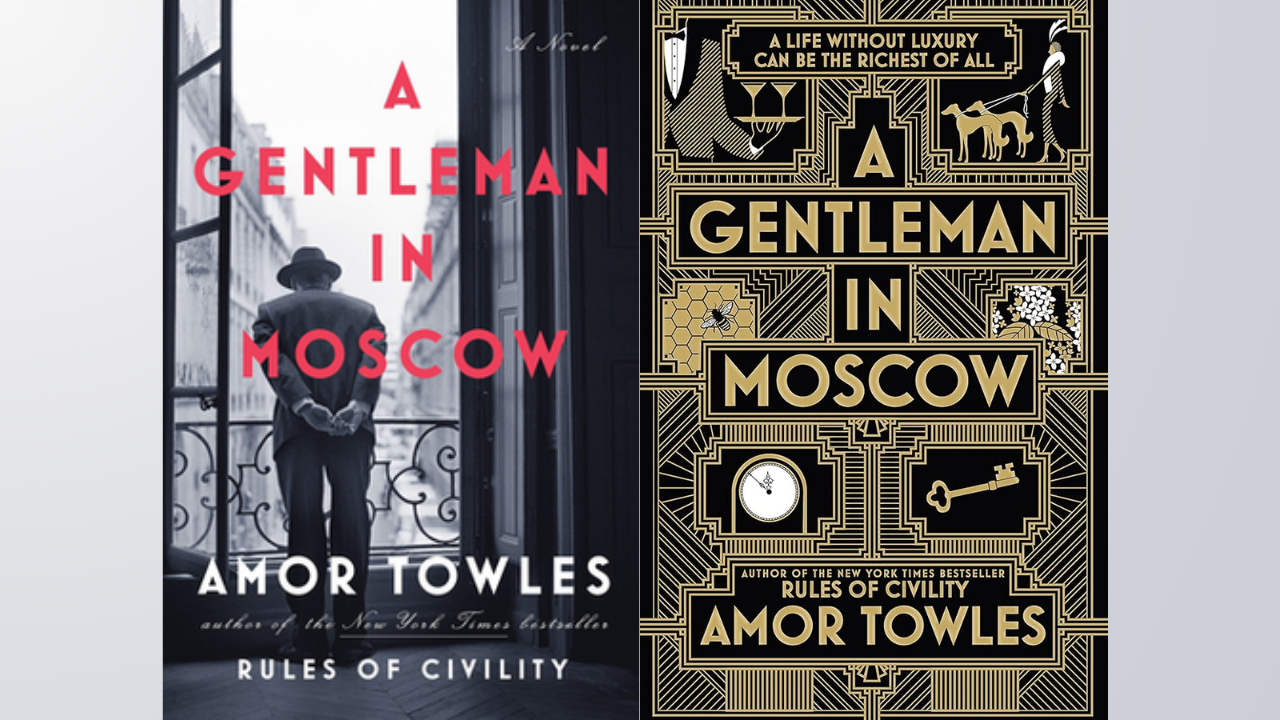 Author BioAuthor Bio
Enjoy this review? Stay tuned for more articles from Brighton's Bookshelf! Enjoy video games, films, or music? Check out our sister sites, RPG Ranked & The Reel Ranker & Mr. Maestro, respectively!