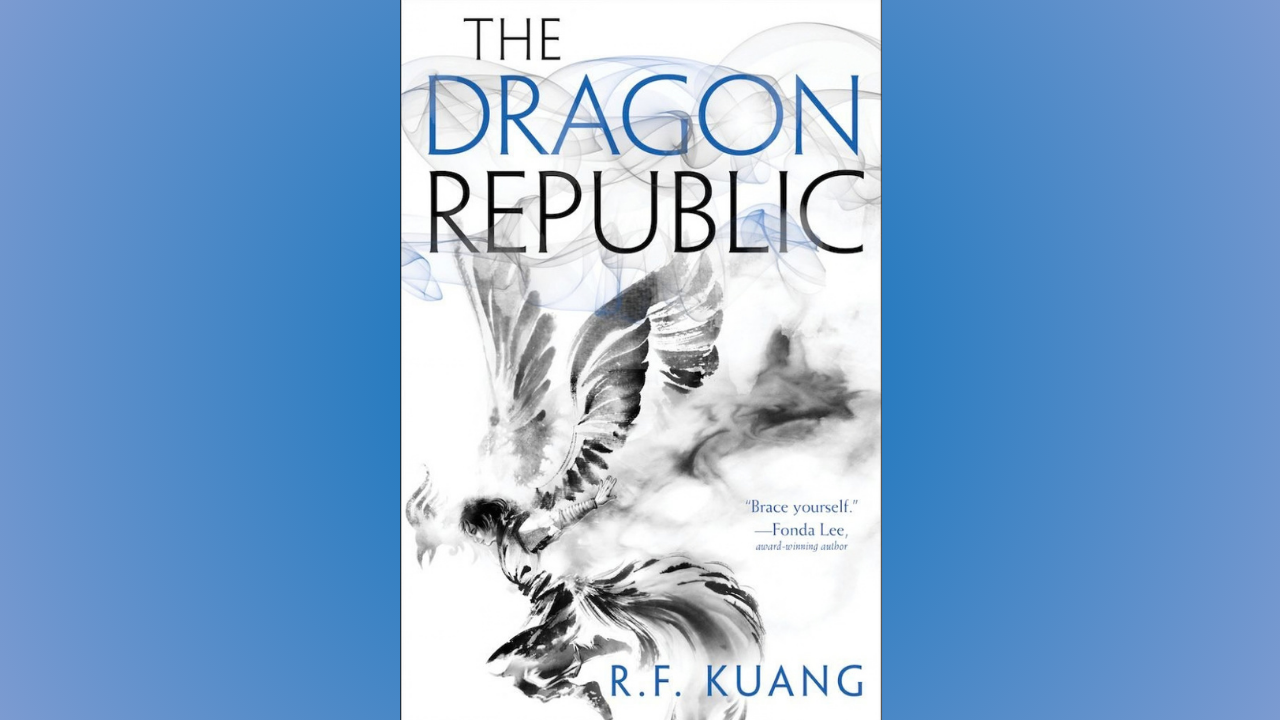
The Dragon Republic Review: Better warfare, weaker plot

Thank heavens I want to be an author, or I'd never have started reading Kuang's books. I mean, the story behind finding her as one of my new favorite authors is ridiculous. I only really started reading again because my girlfriend gave me the confidence I needed to keep writing (à la Stephen King, with The Long Walk and the trash can—and that so happens to be my current favorite work of his!).
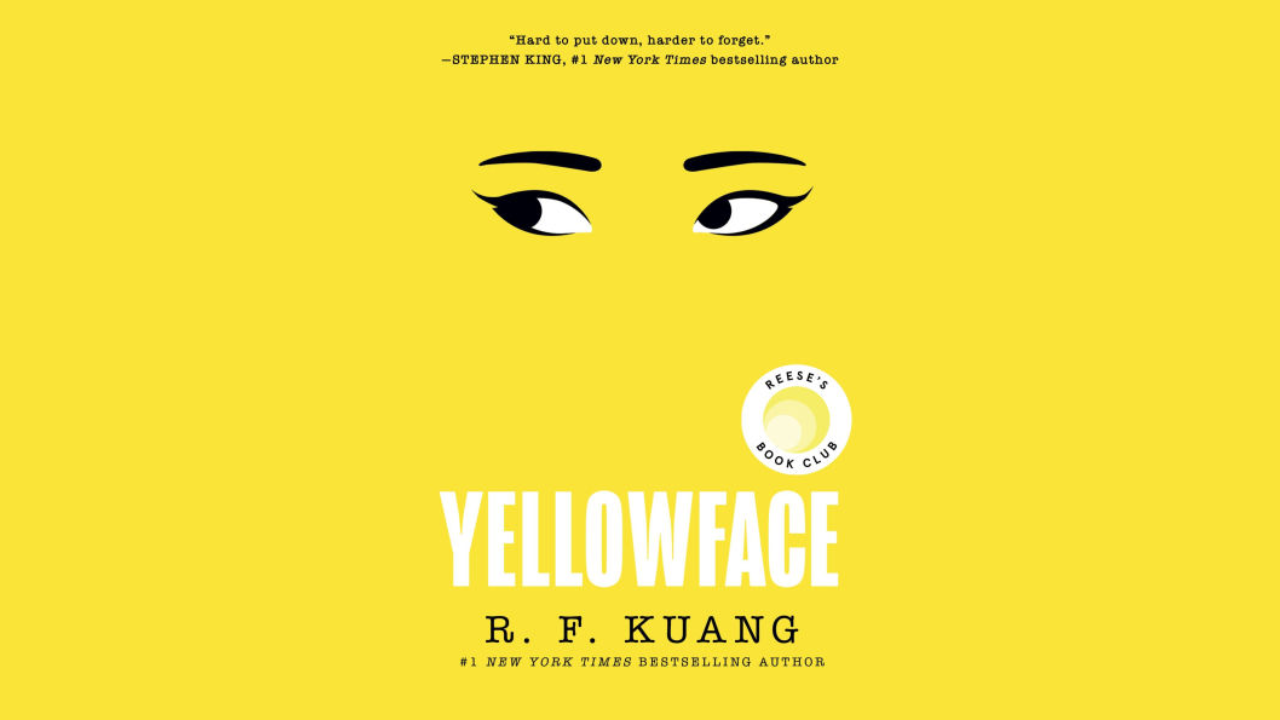
I only stumbled upon Yellowface earlier this year because I was told it would be a good comparable title for my novel, My Name Is Karen. Yellowface ended up being my first new read in like five years that was entirely of my own volition. Only after I read that novel did I discover it won best fiction in 2023 and was a sensation...
And, now, here I am, reviewing The Dragon Republic on my own book-reviewing site and almost done with two manuscripts. A complete 180 from the start of the year... Sometimes, the truth is stranger than fiction!
Both Yellowface and The Poppy War were 5-star reads, and have cemented Kuang as an inspiration to me. But was The Dragon Republic able to live up to my lofty expectations?
Mostly.
Here's why in today's Brighton's Bookshelf review. Thanks so much for joining me, and I hope you enjoy your time on the site today!
I'll start with the negatives. My biggest nitpicks with the book can be summed up by one statement: so much happens in The Dragon Republic, yet in some regards, it seemed as if nothing happened at all.
Here's what I mean. In The Poppy War, the internal stakes are as huge as the external. We wanted to see the miserable war orphan rise up to become a heroic shaman, and explore all the costs of that.
In The Dragon Republic, Rin basically ends the novel in the same way she ended the previous one. In fact, in some ways, her character arc regresses a little: Rin is much more passive and pawn-like in this novel, which works for some subplots but makes her feel less interesting than in the first book.
Rin at the end of The Poppy War and at the end of The Dragon Republic feel on the same footing. She takes a couple steps forward, and a couple steps backward, but it all feels about the same. There are betrayals and tragedy, and she gains more strength, but it doesn't feel like too much changes within Rin.
Fun unintentional rhyme aside, I just didn't feel as much excitement this time around—which is usually the opposite for me, because I'm typically an aggressively optimistic and obnoxious defender of sequels. On a moment-to-moment basis, it's as good as the second half of The Poppy War. As a cohesive whole? Not as much. However, if The Poppy War didn't have such an incredible first half, this would be the better book. It's an odd balance.
All that being said, I still loved this book dearly. The fact that my biggest complaint about this novel is more abstract and nebulous is a strong signifier that this is a wonderful novel—just a couple rungs below Yellowface and The Poppy War, which both are quite literally contenders for my current top ten books of all time. The bar is very high, and this bar came really close.
While I saw multiple plot twists coming from fourscore and seven spans away, I adored the elements of politics, religion, and bureaucracy here. The conflicting viewpoints of the Nakata regime, the Republic, the remaining Muganese, the Hesperians (particularly in their scientific and religious clashing), the South, and the Ketreyids were the best aspect of this novel. I don't want to spoil anything, but this approach keeps the tension high and feels like a grounded, large-scale war. It's everything the Star Wars prequels wanted to be, before The Clone Wars had to come in and fill in all the gaps.
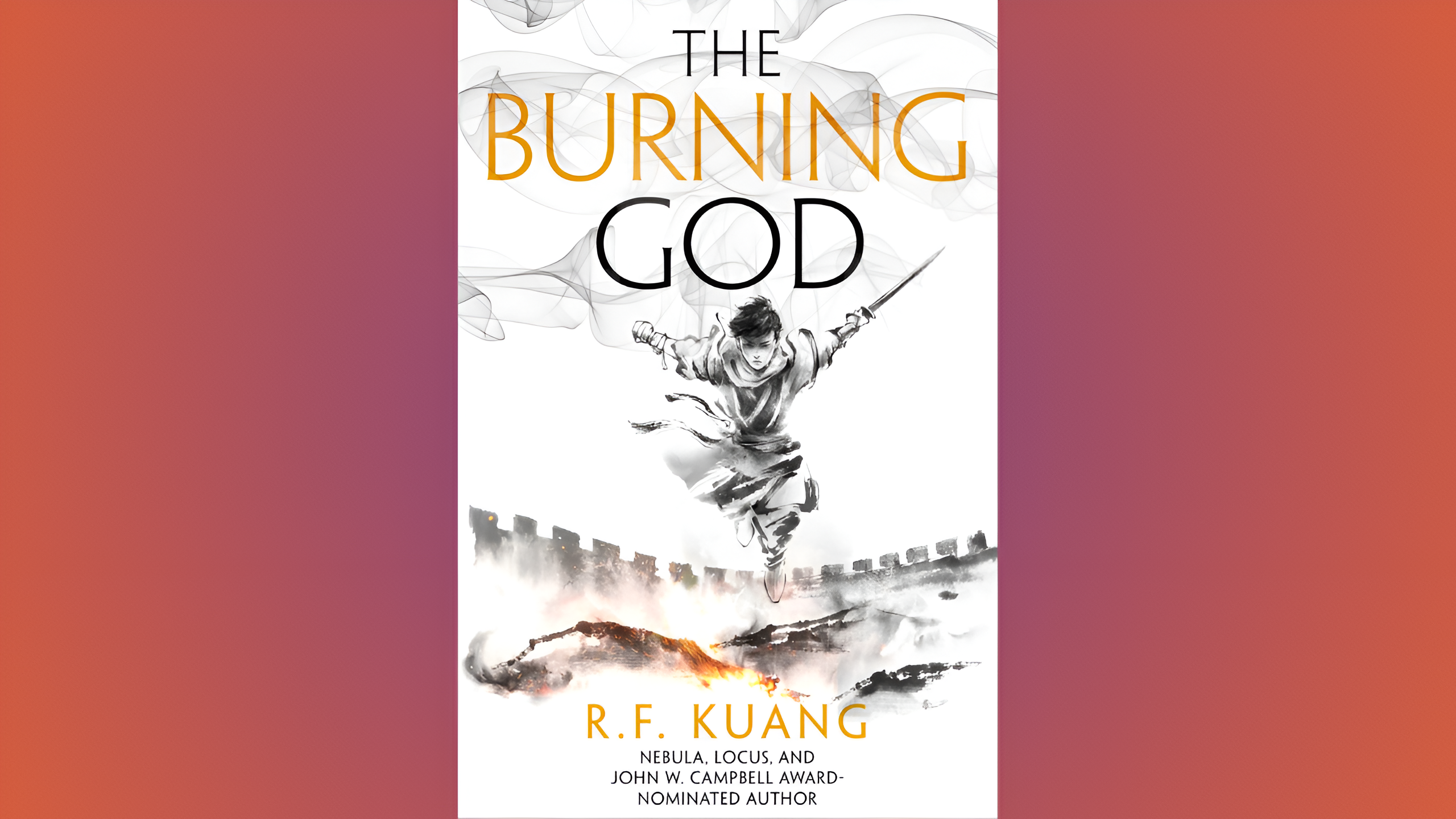
While the dialogue is still a little questionable due to its lack of variety among different classes of characters, Rin's interior voice is still strong here. The Sike get a more morally gray and interesting role in the story, though they are pushed more to the side than before to bring Kitay and Nezha more front and center (which, I think, was the right choice). While Runin and Alton are missed, Nezha and Kitay are significantly more interesting than they were in the previous novel. Like how he's Kuang's favorite character to write, Kitay is probably my favorite character to read about, unless The Burning God changes my mind. Both Vaisra and Daji raise interesting moral questions here as well; even if their personalities aren't too memorable, their actions are.
The action and unique ways Rin calls the Phoenix here are a significant upgrade from the last novel, even if it does feel like she's underpowered compared to Act 3 of the previous novel. The epic naval warfare certainly contributes to this. For a lot of the book, Rin doesn't even have her powers and is just another foot soldier. But while the way it came to be wasn't the best—I felt Daji's early inclusion was disappointing—it led to some great moments and character exploration. Visiting the equivalent of Mongolia during the novel was one of the best parts, and the mythos there was a memorable sidequest.
The novel's tone continues the gritty, grimdark nature of the second half of the original wonderfully. As such, the moments meant to be whimsical and happy land so well because of the contrast. One of the best scenes Kuang has written is when Rin and Kitay are freaking out about Kitay's revolutionary invention.
The tone is more consistent this time around, so anybody who didn't enjoy the jarring paradigm shift in the first (I personally loved it!) will appreciate that. I liked that this novel shatters any glimpse of a chosen-one archetype established in the first, as Rin is treated so expendably that I was actually a tad shocked. It also continues the wild trippiness of being opium-addled, though to a far lesser degree. However, the payoff of how she avoids needing opium is a fantastic element that I'm sure will be unique to explore in Book 3.
To end this review, I must mention the ending. This novel goes so far into left field within one chapter, ending on a near-nihilistic cliffhanger, just like the last book. While the twist there was far more adequate as a standalone ending, this one was gripping in its own right. Yet, the ending's general twist is one I saw light years away, even though some bits of the execution still got me. The first novel's sort of deus ex machina ending was far more intriguing. What was brilliant about that ending is that, somehow, it managed to avoid feeling like a cheap resolution when, in principle, it should've been. Instead, it felt inevitable. Here, it still felt inevitable, but not nearly as groundbreaking.
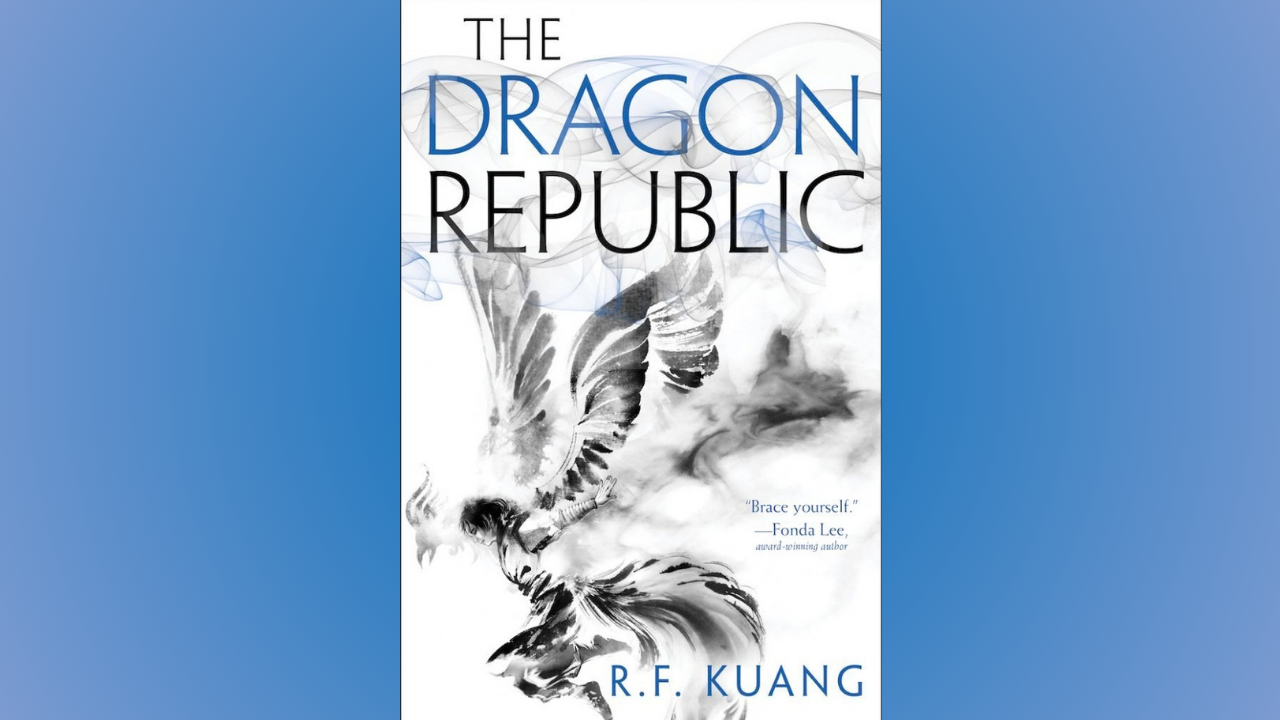
The Brighton's Bookshelf Verdict
Brighton's Bookshelf Score - 8/10
Letter Score - A+
The Dragon Republic may have some problems. Namely, it lacks some of the first book's most interesting internal stakes, and the first half simply can't live up to the highs of the previous book. However, when the novel kicks into full gear and explores geopolitics, avatar magic, class warfare, grimdark plot developments, opium addiction, and linked fates, it continues to prove why R.F. Kuang is an irreplaceable novelist and one of my biggest inspirations.
Interested in checking out some of my other fantasy and R.F. Kuang novel reviews? Check them out below!
 Author Bio
 Author Bio
 Author Bio
 Author Bio
 Author BioAuthor BioAuthor Bio
Enjoy this review? Stay tuned for more articles from Brighton's Bookshelf! Enjoy video games, films, or music? Check out our sister sites, RPG Ranked & The Reel Ranker & Mr. Maestro, respectively!